
Posts by adminjosh
Summer Heat and Interior Paint
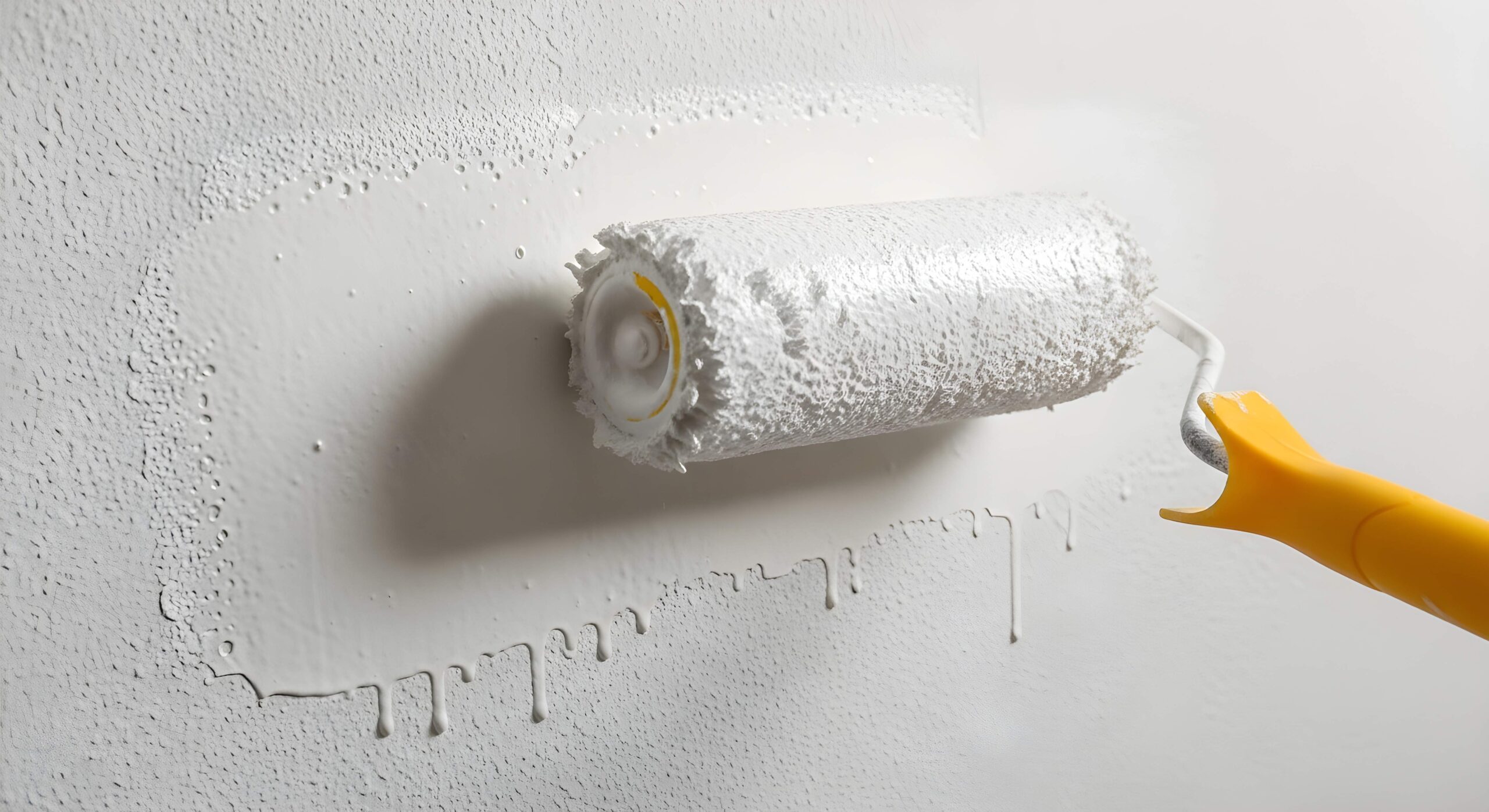
How Summer Heat Impacts Interior Paint Application
Nevada summers bring intense heat, and if you’re planning an interior painting project in Sparks or Spanish Springs, temperature plays a bigger role than you might think. When indoor temperatures climb above 85°F, the chemistry of paint changes—and not always in your favor. Understanding how heat affects your paint job helps you make smarter decisions about timing, application, and technique.
Paint is formulated to cure optimally within a specific temperature range, typically 50–85°F. When the thermometer rises above that window, several problems can develop. The solvent in the paint evaporates too quickly, which disrupts the film-forming process and can leave the paint tacky or poorly adhered to the wall surface.
Paint Adhesion and Drying Issues in High Heat
One of the most frustrating outcomes of painting in excessive heat is poor adhesion. When paint dries too fast on the surface while the layers beneath are still curing, the finish becomes brittle and prone to peeling. In Sparks and Spanish Springs, where summer temperatures can exceed 100°F, running air conditioning while painting creates an additional challenge: the temperature differential between walls and air can cause condensation, which blocks proper paint adhesion and creates a cloudy or uneven finish.
Drying time is also affected. While you might assume faster drying is beneficial, it actually works against you. Rapid evaporation prevents the paint from leveling smoothly, which can result in visible brush marks, roller stipple, and an uneven sheen. Additionally, if you apply a second coat before the first has properly cured—which happens easily in heat—the layers may not bond correctly, compromising durability and appearance.
Best Practices for Interior Painting During Nevada Summers
Schedule painting early or late in the day. Paint during early morning or evening hours when indoor temperatures are naturally cooler. This gives the paint a longer window to cure under ideal conditions before afternoon heat peaks.
Control your indoor environment. Turn off air conditioning 2–3 hours before you start painting, and keep it off during application if possible. Once the first coat has dried (check the label), you can resume cooling. This keeps temperatures stable and reduces condensation risk. Open windows for cross-ventilation rather than relying solely on AC, which creates drafts and temperature swings.
Allow extra drying time between coats. Even if the paint feels dry to the touch, wait longer than the manufacturer’s recommended recoat time. In high heat, touching dry is not the same as cured dry. A good rule: add 25–50% extra time between coats when temperatures exceed 85°F.
Use quality paint formulated for heat.strong> Premium interior paints are engineered to handle temperature fluctuations better than budget options. They contain additives that slow evaporation slightly, allowing proper film formation even in warm conditions.
Maintain consistent humidity. High heat often brings low humidity in Nevada. While dry conditions speed evaporation, extreme dryness can also stress the paint film. If humidity drops below 25%, consider using a humidifier in the painted room to stabilize conditions.
When to Call a Professional
Interior painting in summer heat requires knowledge, patience, and technique that takes years to master. Professional painters understand how to adjust methods for Nevada’s climate, manage application speed, and achieve a flawless finish even when conditions are challenging. They also have access to climate-controlled equipment and premium products designed for performance in heat.
If you’re planning an interior painting project in Sparks or Spanish Springs this summer, protecting your investment means getting it right the first time. Professional painters know how to navigate the heat so you get a beautiful, long-lasting finish.
Click here to contact our Office or call (775) 722-7521
Spring Home Refresh

Why Spring Is Prime Time for Exterior Painting in Northern Nevada
Spring is arriving, and it’s the ideal window to schedule your home’s exterior painting projects in Sparks, Spanish Springs, and Fernley. As temperatures climb and daylight extends, the conditions become perfect for professional exterior work—but only if you plan ahead. Contractor calendars fill quickly once the season hits, and homeowners who wait until late spring or early summer often find themselves postponed until fall.
Northern Nevada’s climate presents unique challenges and opportunities for exterior painting. Winter winds and temperature swings can fade and damage paint, leaving homes looking weathered by March. Spring painting allows you to refresh that worn exterior while the weather is most cooperative.
Ideal Painting Conditions in the Northern Nevada Climate
Exterior paint requires specific conditions to cure properly and deliver lasting results. Spring in the Sparks and Fernley area typically offers moderate temperatures, lower humidity, and reduced wind compared to summer months. These conditions are essential because:
- Temperature stability: Ideal painting occurs between 50°F and 85°F. Spring mornings and afternoons in Northern Nevada often fall squarely in this range, allowing paint to adhere and dry evenly without the extreme heat that can cause bubbling or uneven finish.
- Lower moisture: Spring brings occasional rain, but overall humidity is manageable compared to late summer. Lower humidity means paint dries faster and bonds more effectively to siding and trim.
- Reduced wind exposure: While Nevada is known for wind, spring breezes are generally gentler than the intense wind patterns of late spring and early summer. Wind can carry dust and debris onto wet paint, compromising the finish.
- Extended daylight: Longer days mean professional painters can accomplish more per day, completing your project efficiently without rushing through work in fading light.
Secure Your Preferred Schedule
Professional painting contractors in the Sparks and Fernley region experience a surge in requests as spring progresses. Homeowners who contact painters in early spring secure their preferred start dates and avoid multi-week delays that can stretch into late summer.
Early planning also allows time for a thorough consultation. A professional painter can assess your home’s current condition, identify areas needing repair or preparation, and provide an accurate timeline and estimate before the rush begins. This means no surprises when work starts.
Exterior Painting Projects to Consider This Spring
As you plan, consider which exterior surfaces need attention:
- Main house siding: Winter wear shows. Faded or peeling paint impacts curb appeal and can allow moisture into walls.
- Trim and fascia: Exposure to sun and moisture makes trim work an early-spring priority, especially around eaves and gutters.
- Doors and shutters: A fresh coat on entry doors and window trim adds polish and protects wood from seasonal exposure.
- Decks and fences: If staining or sealing is on your list, spring is the ideal season. Moisture content in wood is lower, and curing time improves with warmer days ahead.
Hiring a professional painter for spring projects ensures proper surface preparation, quality materials, and workmanship that stands up to Northern Nevada’s climate. DIY exterior painting often leads to premature failure, peeling, and costly repainting.
When you work with an experienced local contractor familiar with the Sparks and Fernley climate, you’re investing in results that last. Professionals understand how to prepare surfaces for the regional weather, select appropriate finishes, and apply paint under ideal conditions.
Spring home refresh projects don’t happen without planning. If your home’s exterior is showing winter wear or you’ve been considering an update, now is the time to reach out. Early scheduling ensures your project fits into the spring and early-summer window when conditions are perfect and we can dedicate focused attention to quality work.
Fence Staining vs. Paint

Which Is Right for Your Nevada Property?
If you own a wooden fence in Sparks, Spanish Springs, or Fernley, you’ve likely faced the question: should you stain or paint it? Both options protect your fence from the elements, but they perform very differently in Nevada’s harsh desert climate. Understanding the pros and cons of each will help you make the best choice for your property’s longevity and appearance.
How Paint and Stain Protect Wood
Paint and stain serve the same basic purpose—protecting wood from UV rays, moisture, and weathering—but they work in fundamentally different ways. Paint sits on top of the wood surface, creating a solid, opaque barrier. Stain, by contrast, penetrates into the wood fibers, allowing the grain and natural texture to show through while providing protection from within.
In Nevada’s intense desert sun and dry climate, this difference matters significantly. Paint can crack and peel as wood expands and contracts with temperature swings. Stain flexes with the wood, reducing the likelihood of peeling and maintaining a more uniform appearance over time.
Durability in Desert Conditions
Nevada’s weather is tough on exterior wood. Intense UV exposure, low humidity, and occasional temperature extremes accelerate deterioration. Paint typically lasts 3–5 years on an exposed fence before requiring touch-ups or a full repaint. Stain, especially when properly sealed, can last 5–7 years or longer depending on the product and sun exposure.
The key advantage of stain in a desert climate is how it ages. As paint fails, it leaves patchy, unsightly bare spots. Stain fades gradually and evenly, maintaining a cohesive look even as it weathers. When it’s time to restain, you don’t need to strip the wood—you simply reapply, making maintenance more straightforward.
Maintenance Requirements
Paint demands more attention. Peeling paint must be scraped, sanded, and reprimed before repainting—a labor-intensive process. If you neglect it, bare wood becomes vulnerable to rot and insect damage. Stain is gentler on the fence and easier to maintain. Light cleaning and a fresh coat of stain every 5–7 years keeps your fence looking new without the aggressive prep work.
Professional sealing after staining further extends the life of your fence by adding an extra layer of UV and moisture protection. This is a step that transforms stain from a good option into a superior long-term investment for Nevada properties.
Aesthetic Appeal
Paint offers a uniform, bold appearance and wider color options. It completely hides the wood grain, which some homeowners prefer for a polished, formal look. Stain celebrates the natural character of the wood, highlighting grain patterns and texture while allowing the wood’s warmth to shine through. In Sparks and Spanish Springs, many homeowners appreciate the rustic appeal of a well-maintained stained fence.
Aesthetically, stain also ages more gracefully in the desert. A stained fence that’s faded by the sun still looks intentional and maintained. A painted fence with peeling paint looks neglected, even if the underlying wood is fine.
Cost Comparison
Paint is generally cheaper upfront, and homeowners often assume this makes it the budget-friendly choice. However, when you factor in the cost of labor for scraping, sanding, and repainting every few years, the long-term expense of painted fences often exceeds that of stained fences. Stain with professional sealing costs more initially but requires less maintenance and fewer complete refinishing cycles over a decade.
The Nevada Advantage: Professional Staining and Sealing
For homeowners in Sparks, Spanish Springs, and Fernley, professional fence staining and sealing is the smarter choice. It delivers durability, maintains aesthetic appeal, minimizes maintenance, and provides better long-term value in Nevada’s demanding desert climate. Professional application ensures proper preparation, even coverage, and quality sealant application—all critical factors that DIY approaches often miss.
Your fence protects your property and defines your home’s curb appeal. Choosing the right finishing method means fewer headaches and a fence that looks great for years to come.
Click here to contact our Office or call (775) 722-7521
Extremely professional!

Extremely professional! Did an excellent job prepping and priming! Knowledgeable and paid attention to detail. Overall an awesome job!! I would highly recommend Goormastic Painting!!
Mary beth C. Fernley, NV