How Nevada Weather Wears Down Exterior Paint — and How to Stay Ahead of It
Nevada’s Climate Is Hard on Exterior Paint
Homeowners in Sparks, Spanish Springs, and Fernley deal with one of the more demanding climates for exterior paint in the country. Intense summer UV exposure, wide temperature swings between seasons, and persistently low humidity create conditions that accelerate paint breakdown faster than many other regions. Understanding what’s happening to your home’s exterior — and recognizing the early warning signs — can save you significant repair costs down the road.
What Nevada Weather Actually Does to Paint
UV Exposure
The high-desert sun in northern Nevada delivers intense ultraviolet radiation for a large portion of the year. UV rays break down the binders in exterior paint, causing color to fade, sheen to dull, and the film itself to become brittle over time. South- and west-facing walls typically show the effects first.
Temperature Swings
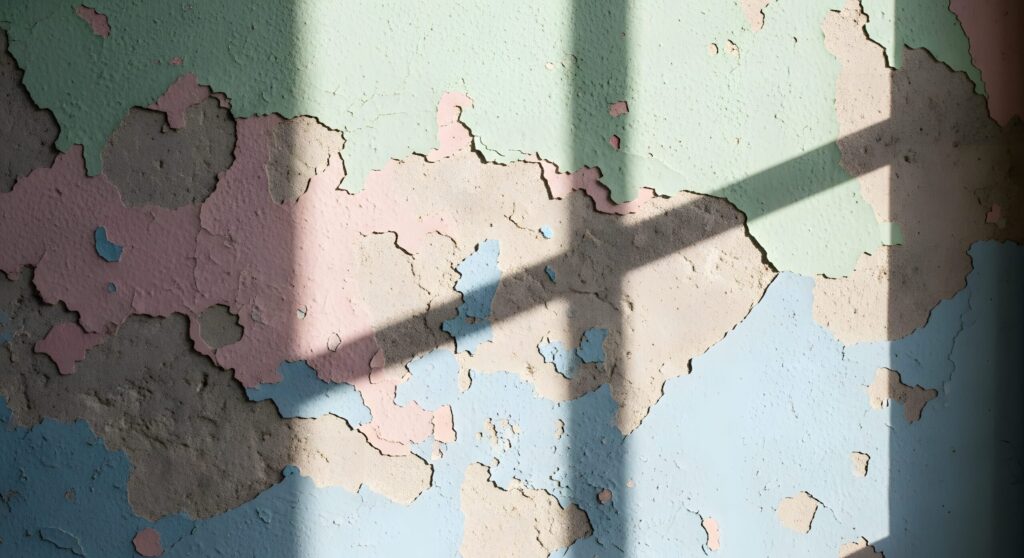
Fernley and Sparks regularly see temperatures climb into the 90s and 100s in summer and dip well below freezing in winter. Paint expands and contracts with these temperature changes. Over several seasons, that repeated movement causes the film to crack, peel, and separate from the surface beneath it — especially on wood siding and trim.
Low Humidity and Dry Conditions
Dry desert air pulls moisture out of painted wood substrates, leading to shrinkage and surface cracking. Without adequate moisture balance, even a relatively fresh paint job can begin to show stress fractures along trim edges and window casings.
Warning Signs to Watch For
Walk around your home once a season and look for these indicators that your exterior paint needs attention:
- Fading or chalking — A chalky residue when you run your hand across the siding surface signals UV degradation.
- Cracking or flaking — Small cracks in the paint film that allow moisture to get behind the coating and cause further damage.
- Peeling near trim or edges — Often the first place paint fails because temperature movement is most pronounced at joints and edges.
- Bare wood showing through — Exposed wood is vulnerable to moisture intrusion, warping, and rot — especially during Fernley’s spring thaw cycles.
Why Regular Repainting Protects Your Home’s Value
A well-maintained exterior paint job does more than look good. It acts as a protective barrier against moisture, UV damage, and temperature stress. Letting paint deteriorate past the point of maintenance means the underlying substrate — wood, stucco, or composite — begins to take the hit directly. By the time bare wood or water staining is visible, the cost of repair grows quickly.
Repainting on a proactive schedule, typically every five to seven years in Nevada’s conditions, keeps that protective barrier intact. It also maintains curb appeal and supports home value in a competitive local market.
Let a Local Professional Take a Look
If your home’s exterior is showing any of these warning signs, it’s worth having a professional assess the current condition before minor wear becomes a larger repair. Robert Goormastic Painting serves homeowners throughout Sparks, Spanish Springs, and Fernley with exterior painting services built around the realities of northern Nevada’s climate.
Click here to contact our Office or call (775) 722-7521